
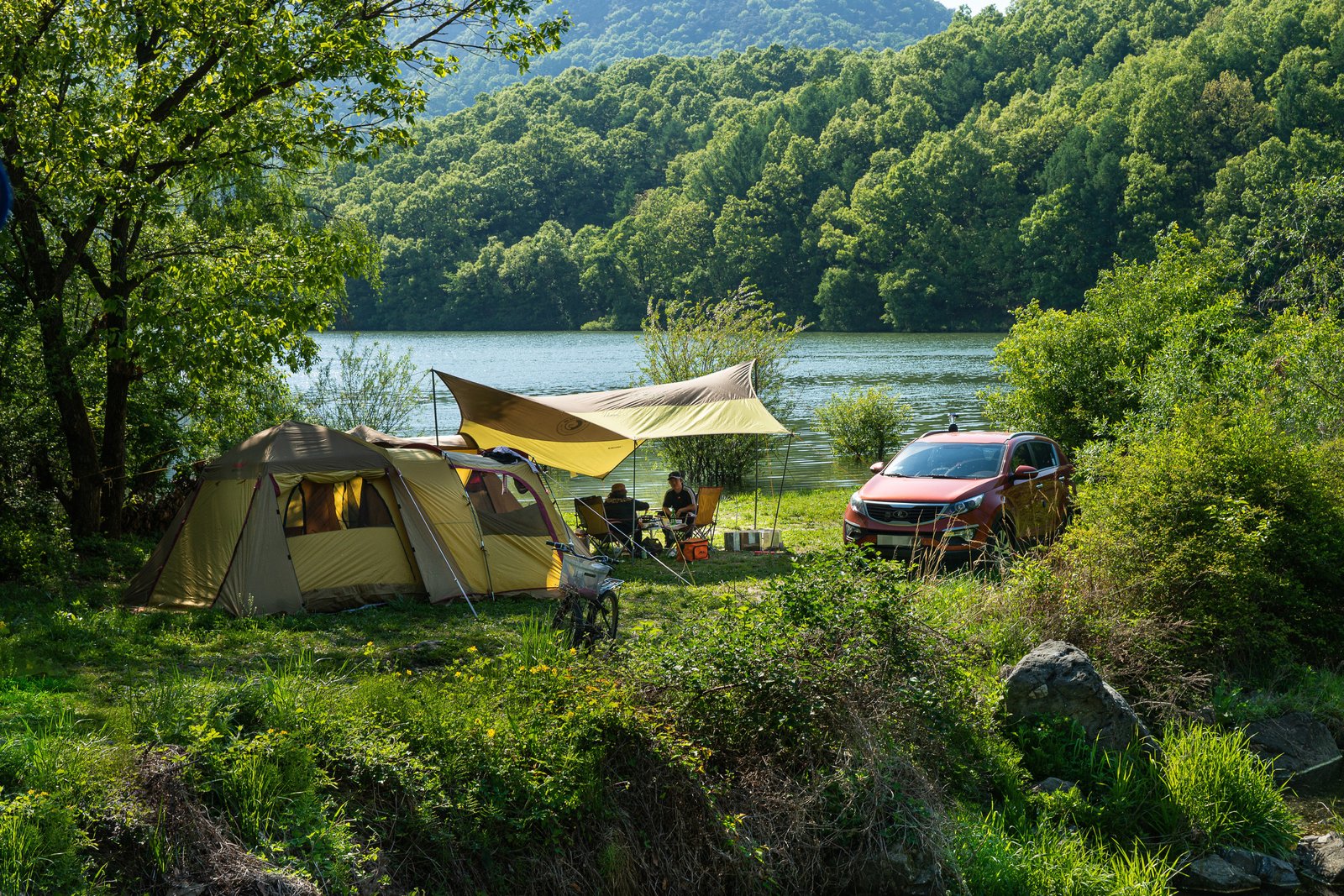
Outdoor Gear essentials for your next camping trip must-haves
Outdoor Gear essentials for your next camping trip must-havesPlanning a wilderness excursion brings a unique sense of joy. Whether you are heading into the deep woods or a local park, the anticipation of sleeping under the stars is truly special. Proper preparation remains the secret to turning a basic outing into a memorable adventure.Investing in high-quality equipment is the first step toward success. Having the right camping trip must-haves ensures that every family member stays comfortable throughout the journey. When you prioritize reliable tools, you transform a simple stay in nature into a safe and relaxing experience.Outdoor Gear essentials for your next camping trip.Focusing on these items helps mitigate common risks found in the wild. You can enjoy the serenity of the forest with total peace of mind when you are fully prepared. Quality supplies allow you to focus on making memories rather than worrying about the elements.Key TakeawaysProper planning is the foundation of a successful wilderness experience.High-quality equipment significantly improves comfort and safety levels.Focusing on reliable tools helps families avoid common outdoor hazards.Preparation provides peace of mind while exploring the natural world.Investing in the right items makes every excursion more enjoyable.Shelter and Sleeping Systems for ComfortYour comfort in the wild depends entirely on the quality of your shelter and bedding. When you venture into the great outdoors, your gear acts as your primary defense against the elements. Investing in reliable equipment ensures that you wake up refreshed and ready for the next day of exploration.Choosing the Right Tent for Your EnvironmentFinding the best camping tent requires a careful look at where you plan to travel. You must consider the local climate, the terrain, and the expected weather patterns of your destination. A tent that performs well in a dry desert might fail miserably during a heavy mountain rainstorm.High-quality shelters provide essential protection against wind, rain, and pesky insects. Look for features like reinforced seams, waterproof rainflies, and sturdy poles that can withstand gusty conditions. Durability is key when you are miles away from civilization."A tent is more than just a piece of fabric; it is your home away from home in the wilderness."Sleeping Bags and Pads for Temperature RegulationOnce your shelter is secure, your focus should shift to your sleep system. Understanding sleeping bag temperature ratings is vital for staying warm throughout the night. These ratings indicate the lowest temperature at which the bag is designed to keep an average sleeper comfortable.However, a bag alone is rarely enough to prevent heat loss. You need a high-quality sleeping pad to act as a thermal barrier between your body and the cold ground. Without proper insulation underneath you, the earth will quickly sap your body heat, regardless of how warm your bag is rated.Check the comfort rating, not just the extreme limit, on your sleeping bag.Use an insulated pad with a high R-value for colder climates.Always test your gear in your backyard before heading into the backcountry.By carefully selecting your gear based on sleeping bag temperature ratings and environmental needs, you ensure a restful night. Remember that the best camping tent is the one that keeps you dry and secure, allowing you to fully enjoy the beauty of nature.Outdoor Gear essentials for your next camping tripCurating your pack is an art form that blends necessity with efficiency. When you gather your Outdoor Gear essentials for your next camping trip, the goal is to maximize comfort without carrying unnecessary weight. A thoughtful approach ensures you are prepared for the unexpected while keeping your movement fluid on the trail.The Importance of Quality Gear SelectionInvesting in high-quality items is essential for your safety and overall enjoyment. Cheap gear often fails when you need it most, leading to frustration or even dangerous situations in remote areas. Choosing reliable products means you can focus on the beauty of nature rather than worrying about equipment failure.Quality items often feature better design, improved materials, and superior craftsmanship. While the initial cost might be higher, these pieces typically last for many seasons. This longevity makes them a smarter investment for any frequent camper.Balancing Weight and DurabilityFinding the right mix of lightweight camping gear and durable outdoor equipment is the key to a successful trip. You want gear that is light enough to carry over long distances but tough enough to handle rough terrain. This balance depends heavily on the duration of your stay and the specific environment you plan to visit.For shorter trips, you might prioritize comfort and luxury items. However, for long-distance backpacking, every ounce counts. Use the following table to help you decide which gear priorities fit your specific needs:Gear CategoryLightweight FocusDurability FocusBest Use CaseShelterUltralight TentsCanvas/Heavy NylonBackpacking vs. Car CampingCookwareTitanium PotsCast Iron/SteelFast Pacing vs. Base CampFootwearTrail RunnersLeather BootsMaintained Trails vs. Off-TrailStorageSilnylon PacksCordura FabricSpeed Hiking vs. ExpeditionUltimately, your gear list should reflect your personal goals for the trip. Prioritize functionality above all else to ensure your pack remains manageable. By carefully selecting each item, you create a system that supports your adventure from start to finish.Lighting Solutions for Nighttime VisibilityWhen the sun dips below the horizon, your campsite transforms into a completely different environment that requires reliable illumination. Having the right gear ensures you can move safely around your site without stumbling over tent stakes or rocks. Proper lighting is a fundamental safety requirement that allows campers to perform tasks efficiently in low-light conditions.Headlamps for Hands-Free ConvenienceA high-quality headlamp is arguably the most important tool in your kit. The primary LED headlamp benefits include hands-free operation, which is essential for cooking dinner, reading a book, or navigating to the restroom at night. By keeping your hands free, you maintain better balance and control while moving through the woods.Modern LED technology provides incredible battery life and powerful beams that cut through the darkest nights. Many models offer adjustable brightness settings, allowing you to save power when you only need a soft glow. Reliability is key, so always pack extra batteries or choose a rechargeable model for your trip."Light is the most important tool for any camper, turning the uncertainty of the night into a comfortable and secure home away from home."Lanterns for Ambient Campsite LightingWhile headlamps are perfect for personal tasks, a lantern is ideal for group activities. Selecting the right camping lantern brightness helps create a warm, inviting atmosphere for playing cards or sharing stories around the picnic table. You want enough light to see clearly, but not so much that it ruins the natural ambiance of the outdoors.Consider the following comparison to help you choose the best lighting for your specific needs:Lighting TypeBest Use CaseKey AdvantagePower SourceLED HeadlampHiking & TasksHands-freeBattery/USBCamping LanternGroup AreasAmbient glowBattery/FuelFlashlightSpotting WildlifeFocused beamBatteryAlways test your equipment before leaving home to ensure everything functions correctly. Proper preparation with your lighting gear guarantees that your nighttime experience remains safe and enjoyable for everyone in your group.Cooking Equipment and Camp Kitchen BasicsA well-organized camp kitchen turns basic ingredients into gourmet meals under the stars. Whether you are boiling water for morning coffee or simmering a hearty stew, having the right gear makes the process simple and enjoyable.Portable Stoves and Fuel EfficiencyChoosing a reliable portable camping stove is the foundation of any successful outdoor kitchen. You should look for models that offer high heat output while maintaining excellent fuel efficiency to save space in your pack.Many modern stoves feature wind-resistant designs that perform well in unpredictable weather. Consistency is key when you are miles away from the nearest grocery store."Cooking is like love. It should be entered into with abandon or not at all." — Harriet Van HorneEssential Cookware and Utensil SetsDurability and weight are the two most important factors when selecting your pots, pans, and utensils. Opt for lightweight materials like hard-anodized aluminum or titanium to keep your load manageable.A basic kit should include a nesting pot set and heat-resistant utensils that are easy to clean. Non-stick coatings can also make cleanup much faster after a long day of hiking.Lightweight nesting potsHeat-resistant silicone spatulasCompact, foldable cutleryWater Filtration and Purification SystemsAccess to safe drinking water is non-negotiable for any camper. Relying on natural sources requires you to understand various water filtration methods to remove harmful bacteria and protozoa.Portable filters, chemical tablets, and UV purifiers are all effective options depending on your destination. Always carry a backup system to ensure you stay hydrated and healthy throughout your entire trip.MethodBest ForSpeedPump FilterGroup tripsFastGravity BagBase campingHands-freePurification TabsEmergency useSlowClothing Layers and Footwear StrategyMastering the art of layering is the secret to enjoying any outdoor adventure. When you spend time in nature, your body temperature can fluctuate rapidly due to changing weather or physical exertion. A strategic approach to your wardrobe ensures you stay dry, warm, and comfortable throughout the day.The Three-Layer System ExplainedThe most effective way to manage your body heat is by using camping clothing layers. This method relies on three distinct components working together to regulate your microclimate.First, your base layer should be made of moisture-wicking fabric to pull sweat away from your skin. Next, an insulating middle layer, such as a fleece or down jacket, traps your body heat to keep you warm. Finally, a protective outer shell acts as a shield against wind, rain, and snow.Selecting Proper Hiking Boots and SocksYour feet are your primary mode of transportation, so they deserve special attention. Investing in footwear that provides excellent hiking boot support is essential for navigating uneven terrain safely.Look for boots that offer a firm midsole and a high-traction outsole to prevent slips on rocky or muddy trails. Proper ankle support is also vital, especially if you are carrying a heavy backpack that shifts your center of gravity.Do not overlook the importance of your socks when planning your trip. High-quality wool or synthetic blends are superior to cotton because they manage moisture effectively. Choosing the right socks is a key factor in preventing painful blisters and maintaining foot health during long days of hiking.Navigation Tools and Safety EquipmentWhen you step away from the grid, your ability to navigate and handle emergencies becomes your greatest asset. Remote wilderness areas often lack cellular service, making digital devices unreliable for long-term excursions. Prioritizing your safety through preparation ensures that you can enjoy the outdoors with peace of mind.Physical Maps and Compass SkillsRelying solely on smartphone apps can lead to trouble if your battery dies or the signal drops. Carrying reliable camping navigation tools, such as a topographic map and a liquid-filled compass, is a non-negotiable habit for experienced hikers. These items do not require electricity and function perfectly in any weather condition.Learning how to read contour lines and orient your map to the north is a vital skill. Practice these techniques in a local park before heading into the backcountry. Mastering these basics will help you maintain your orientation even when trails become obscured by snow or dense brush.First Aid Kits for Emergency PreparednessAccidents can happen even on the most carefully planned trips. A well-stocked wilderness first aid kit serves as your primary defense against minor injuries that could otherwise ruin your experience. You should customize your kit based on the duration of your trip and the specific terrain you plan to explore.Your kit should be organized in a waterproof bag to keep supplies dry and accessible. Always check the expiration dates on medications and replace used items immediately after returning home. Being prepared allows you to handle small cuts, blisters, or sprains before they escalate into serious medical concerns.Equipment TypePrimary FunctionKey BenefitTopographic MapTerrain AnalysisNo battery requiredBaseplate CompassDirectional FindingHigh reliabilityFirst Aid KitInjury ManagementEmergency readinessEmergency WhistleSignaling HelpLong-range alertUltimately, your safety gear is an investment in your confidence. By carrying these essentials, you demonstrate a commitment to responsible outdoor recreation. Always double-check your pack before departure to ensure you have everything needed for a safe return.Multi-Tools and Repair KitsA successful outdoor adventure often depends on your ability to handle small equipment failures on the fly. While you hope for a smooth trip, the wilderness can be unpredictable. Having the right gear on hand ensures that minor issues do not turn into major headaches.Versatile Tools for Quick FixesA high-quality multi-tool utility is perhaps the most valuable item you can pack. These compact devices consolidate pliers, knives, screwdrivers, and bottle openers into one easy-to-carry frame. Having these functions at your fingertips allows you to tighten loose screws on camp chairs or cut cordage for a makeshift clothesline. When you choose a tool, look for one that feels sturdy in your hand. A reliable multi-tool utility will save you from carrying a heavy toolbox while providing the same level of functionality. It is a true essential for any serious camper.Duct Tape and Cordage for Field RepairsBeyond metal tools, your camping repair kit should include items that can handle fabric and structural tears. A roll of heavy-duty duct tape is a legendary problem solver for patching holes in tents or reinforcing worn-out boot soles. It is lightweight, sticky, and incredibly strong when you need a quick fix.Pair your tape with a length of paracord or high-strength nylon rope. This camping repair kit combination allows you to lash together broken tent poles or secure gear to your pack. Being prepared with these simple supplies gives you the confidence to tackle any challenge the trail throws your way.Backpacks and Storage SolutionsYour backpack acts as your mobile home, so selecting the right one is crucial for your comfort. A high-quality pack does more than just hold your belongings; it protects your gear and supports your body during long treks. Investing in the right system ensures you can focus on the beauty of nature rather than the weight on your shoulders.Finding the Right Pack CapacityWhen you start your search, consult a reliable backpack capacity guide to match your needs with the trip duration. For a quick weekend getaway, a 30 to 50-liter pack is usually sufficient to carry your essentials without unnecessary bulk. Longer expeditions lasting several days require larger packs, typically ranging from 60 to 85 liters, to accommodate extra food and supplies.Always consider the volume of your sleeping bag and tent when choosing your size. If your gear is bulky, you might need a slightly larger capacity to ensure everything fits inside securely. Proper fit is just as important as volume, so ensure the torso length matches your body for optimal weight distribution.Organizing Gear for Easy AccessMastering camping gear organization is the secret to a stress-free experience in the wilderness. Start by placing heavy items close to your back and centered between your shoulder blades to maintain your balance. This simple technique prevents the pack from pulling you backward on steep trails.Utilize lightweight stuff sacks to categorize your clothing, food, and electronics. This keeps your pack tidy and allows you to find specific items without dumping everything out on the ground. Staying organized saves time and keeps your campsite clutter-free.Finally, make use of external attachment points for items you need frequently, such as trekking poles or a rain jacket. Keeping these essentials accessible means you can react quickly to changing weather conditions. Efficient storage solutions turn a chaotic bag into a streamlined system that works with you, not against you.Personal Hygiene and Sun ProtectionProper self-care in the wilderness requires a balance between personal comfort and environmental stewardship. When you venture into the backcountry, your health and the health of the ecosystem go hand in hand. Taking care of yourself ensures that you remain energized for every trail ahead.Eco-Friendly Toiletries and Waste ManagementMinimizing your footprint is a core value for any responsible camper. Using eco-friendly toiletries is the best way to keep local water sources and soil free from harsh chemicals. Always choose biodegradable soaps and toothpaste to ensure that your presence does not harm the delicate balance of nature.Waste management is equally vital for preserving the wilderness. Following Leave No Trace principles means packing out all trash and disposing of human waste properly. By using small, portable trowels and following local regulations, you help keep the outdoors pristine for future generations.Sun Protection for CampingThe intensity of the sun can be deceptive, especially at higher altitudes or in open fields. Prioritizing sun protection for camping is essential to prevent painful skin damage and long-term health issues. A comprehensive approach includes more than just a bottle of lotion.Make sure to pack high-SPF sunscreen and reapply it frequently throughout the day. Wearing protective clothing, such as long-sleeved shirts and wide-brimmed hats, provides a physical barrier against harmful UV rays. Finally, do not forget a pair of quality sunglasses to shield your eyes from glare and brightness.ConclusionPreparation serves as the backbone of every successful journey into the great outdoors. By selecting reliable equipment from trusted brands like REI, Black Diamond, or Osprey, you create a safety net that allows you to focus on the beauty of nature.Quality gear acts as an investment in your comfort and peace of mind. When you understand how to utilize your tools, you gain the freedom to explore remote trails with total confidence.Take a moment to review your packing list before you depart. Prioritize your specific needs based on the terrain and weather conditions you expect to encounter. A well-organized kit prevents stress and keeps your focus on the horizon.The right supplies turn a simple trip into a lasting memory under the stars. Pack your bags with care and enjoy the quiet majesty of the wild. Your next great adventure awaits.FAQHow do I choose the right tent for unpredictable weather?When selecting a shelter, it is vital to match it to your environment. For most adventures, a three-season tent from trusted brands like Big Agnes or MSR offers a great balance of ventilation and protection against wind and rain. If you are heading into harsh winter conditions, look for a four-season tent with a sturdier pole structure to handle snow loads. Always ensure your tent includes a waterproof rainfly and a durable ground cloth or footprint to keep moisture out.What should I look for in a sleeping bag and pad to stay warm?Understanding temperature ratings is key; generally, you should choose a bag rated 10 to 15 degrees lower than the coldest temperature you expect. High-quality insulation from brands like The North Face or Marmot helps trap body heat effectively. Don't forget a sleeping pad with a high R-value, which measures thermal resistance. A pad like the Therm-a-Rest NeoAir prevents the cold ground from SAPping your body heat, ensuring a restful night of sleep.Why is a headlamp better than a standard flashlight for camping?An LED headlamp, such as those made by Black Diamond or Petzl, provides essential hands-free convenience. This allows you to cook dinner, set up your tent after dark, or navigate technical trails safely while keeping your hands free for balance or tasks. For campsite ambiance, a BioLite lantern provides soft, adjustable light that is perfect for group activities around the picnic table.What is the most efficient way to cook meals in the backcountry?A reliable portable camping stove is a must-have for any outdoor kitchen. Systems like the Jetboil Flash are famous for their fuel efficiency and rapid boiling times, making them perfect for dehydrated meals. If you are cooking for a larger family, a two-burner Coleman Propane Stove offers more versatility. Always pair your stove with lightweight nesting cookware and durable GSI Outdoors utensil sets to save space in your pack.How can I ensure my drinking water is safe to consume?Never rely on untreated water from streams or lakes. Using a water filtration system like the Sawyer Squeeze or a Katadyn BeFree filter removes harmful bacteria and protozoa. For more remote areas, consider UV purification tools or chemical treatments like Aquatabs to ensure your water is completely safe for hydration and cooking.What is the "three-layer system" for camping clothing?This strategy is designed for optimal temperature regulation. It starts with a moisture-wicking base layer (like Smartwool merino wool) to keep sweat away from your skin. Next is an insulating middle layer, such as a Patagonia Better Sweater fleece, to trap heat. Finally, a protective outer shell made of Gore-Tex or similar waterproof material shields you from wind and rain. This system allows you to add or remove layers as your activity level or the weather changes.How do I prevent blisters during long hikes?Proper footwear is your first line of defense. Invest in high-quality hiking boots from brands like Salomon or Merrell that offer sturdy ankle support and traction. Pairing them with moisture-wicking socks from Darn Tough reduces friction and keeps your feet dry. If you feel a "hot spot" developing, apply Moleskin or Leukotape immediately to prevent a blister from forming.What navigation tools should I carry if my phone loses service?While GPS apps are helpful, you should always carry a physical topographic map and a reliable Suunto compass. Understanding basic map-reading skills is a fundamental safety requirement. For added security, a satellite communicator like the Garmin inReach Mini allows you to send SOS signals and messages even in areas with zero cellular reception.What should be included in a basic gear repair kit?Small failures shouldn't end your trip. A versatile multi-tool, such as the Leatherman Wave Plus, is essential for quick fixes. Your kit should also include Gear Aid Tenacious Tape for patching tent holes, heavy-duty zip ties, and high-strength paracord. These simple items allow you to address equipment issues on the fly and keep your gear functional.How do I choose the right backpack capacity for my trip?Your choice depends on the duration of your stay. For a weekend trip (1-3 nights), a pack with a 50 to 60-liter capacity, such as the Osprey Atmos AG, is usually sufficient. For longer excursions, you may need 70 liters or more. Ensure your pack features an adjustable suspension system to distribute weight to your hips, and use Sea to Summit stuff sacks to keep your gear organized and accessible.How can I maintain personal hygiene while following Leave No Trace principles?Use biodegradable soap, like Dr. Bronner’s, and ensure you are at least 200 feet away from water sources when washing. For waste management, always pack out your trash and use a small trowel to bury human waste properly. Don't forget sun protection; apply a high-SPF sunscreen like Neutrogena Beach Defense and wear polarized sunglasses to protect your eyes from UV glare.