
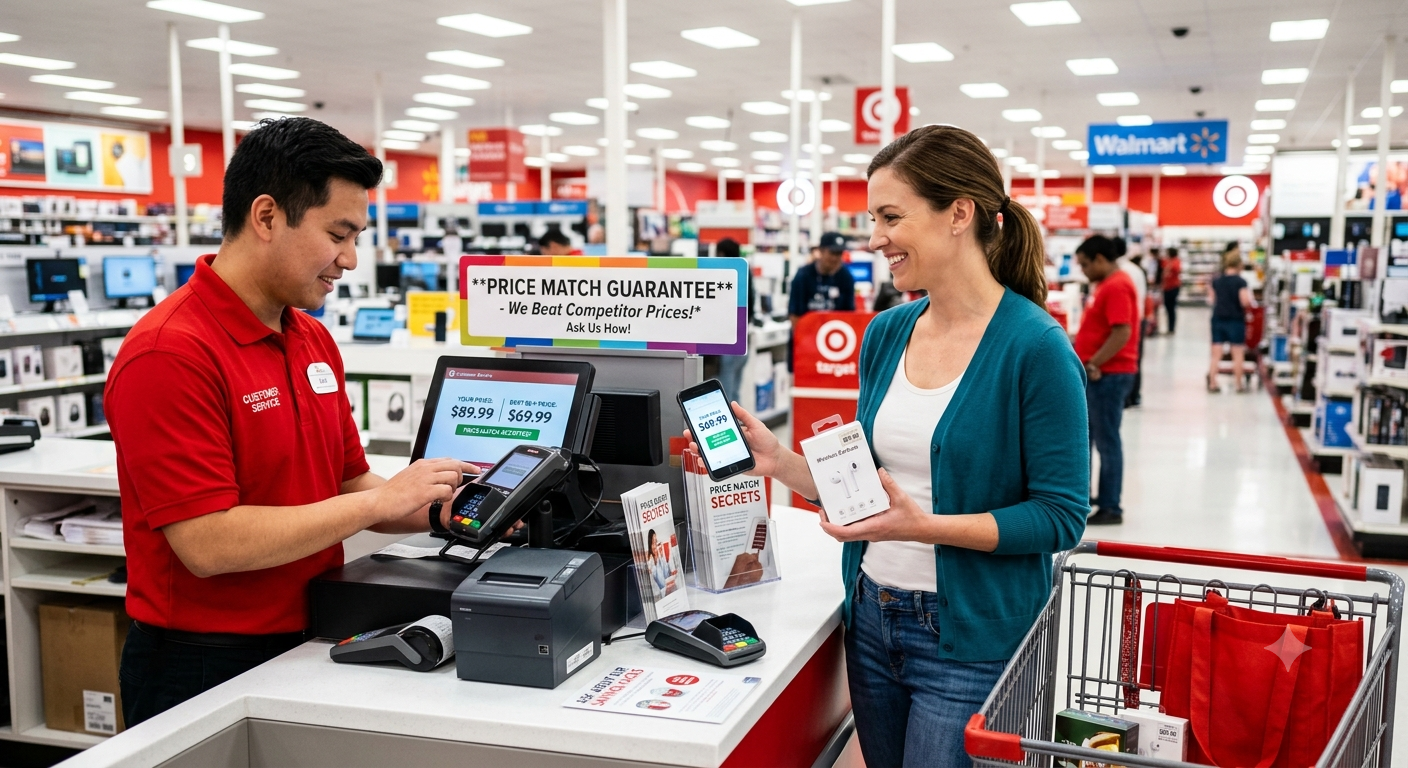
The Hidden Retail Practices That Help You Save Money: Major Stores' Price Matching Secrets
The Hidden Retail Practices That Help You Save Money: Major Stores' Price Matching Secrets Introduction Have you ever walked into a store, purchased a television for $899, and later discovered another retailer selling the exact same model for $749? Most shoppers assume they've lost their chance to save money. The reality is quite different. Many major retailers have price matching and price adjustment policies designed to keep customers from shopping elsewhere. Surprisingly, these money-saving policies are rarely promoted at checkout, leaving millions of shoppers unaware that they could save hundreds—or even thousands—of dollars each year. Whether you're buying electronics, furniture, appliances, groceries, or home improvement supplies, understanding how price matching works can dramatically reduce your expenses. In this guide, you'll learn the hidden retail practices smart shoppers use every day, discover which stores commonly offer price matching, and master strategies that help you pay the lowest possible price. What Is Price Matching? Price matching is a retailer's promise to sell an item at the same price as an eligible competitor. Instead of losing a customer, retailers often agree to reduce their price to match another qualifying store. Example You find a coffee maker priced at: RetailerPriceStore A$79Store B$64 If Store A offers price matching, they may reduce their price to $64, allowing you to purchase from your preferred retailer without paying extra. Why Retailers Offer Price Matching Although it seems like stores lose money, price matching actually benefits retailers. Retailers Want To: Keep customers from shopping elsewhere Build long-term customer loyalty Compete with online marketplaces Reduce product returns Increase impulse purchases after customers enter the store Once customers are inside, they're likely to purchase additional items with higher profit margins. The Retail Pricing Strategy Most Consumers Never Notice Modern retailers use dynamic pricing. Prices can change several times each day based on: Competitor prices Inventory levels Consumer demand Time of year Supply chain costs Regional competition Online shopping trends This explains why the same product may cost different amounts: Online vs. in-store Mobile app vs. website Different store locations Morning vs. evening promotions Price matching helps retailers stay competitive despite these fluctuations. Common Types of Price Matching TypeDescriptionBest ForStandard Price MatchMatches another retailer's current advertised priceElectronics, appliancesOnline Price MatchMatches approved online competitorsOnline shoppersIn-Store MatchMatches prices at local competitorsSame-day purchasesPrice AdjustmentRefunds the difference if prices drop after purchaseLarge purchasesHoliday Price ProtectionCovers purchases during seasonal promotionsHoliday shopping Major Retailers That Commonly Offer Price Matching Many well-known retailers have offered some form of price matching or price adjustment, though policies vary and may change over time. Retail CategoryExamples of RetailersCommonly Price Match?*ElectronicsBest BuyYes (policy-dependent)Home ImprovementHome Depot, Lowe'sYesOffice SuppliesStaples, Office DepotOftenDepartment StoresTargetOftenDiscount RetailWalmartLimited by policyPet SuppliesPetcoOftenCraft StoresMichaelsOften *Note: Always review the retailer's current policy, as eligibility, competitors, and exclusions can change. Hidden Conditions Retailers Don't Emphasize Many shoppers hear "price matching" and assume it's automatic. It isn't. Here are the most common requirements. 1. The Product Must Be Identical Retailers usually require: Same brand Same model number Same color Same accessories Same size Same warranty Even one different feature may make the product ineligible. 2. The Competitor Must Be Approved Most retailers won't match every website. Typically accepted competitors include: National retail chains Official manufacturer websites Major online retailers Often excluded: Marketplace sellers Auction websites Third-party vendors Flash-sale sites 3. The Item Must Be In Stock Retailers usually require the competitor to have the product available for immediate purchase. If it's out of stock, the price match may be denied. 4. Clearance Items Usually Don't Count Most stores exclude: Clearance Liquidation Open-box items Refurbished products Damaged merchandise Black Friday doorbusters 5. Membership Discounts May Be Excluded Prices available only through: Membership clubs Employee discounts Student discounts Military pricing may not qualify. Price Adjustment: The Secret That Saves Money After You Buy One of the least-known retail policies is the price adjustment. Example Monday: You buy a laptop for $1,100. Friday: The retailer lowers the price to $950. If the store allows price adjustments within its eligible window, you could receive a $150 refund without returning the laptop. Many shoppers never ask—and miss out on easy savings. The Best Time to Use Price Matching Some periods offer better opportunities than others. Shopping SeasonPrice Match OpportunityBlack Friday (where eligible)High competition, but many exclusionsCyber MondayExcellent online dealsBack-to-SchoolFrequent price changesMemorial DayAppliance discountsLabor DayFurniture promotionsEnd of SeasonClearance opportunitiesNew Product LaunchesOlder models often drop in price Smart Shopping Strategies That Maximize Savings Compare Prices Before Checkout Use retailer websites, shopping apps, and trusted price comparison tools before paying. Keep Every Receipt Digital receipts make requesting price adjustments much easier. Ask Politely Many customer service representatives are willing to help if you already have the competitor's advertisement available. Shop Midweek Some retailers update prices during the middle of the week. Checking prices before weekend shopping can reveal savings. Monitor Prices After Purchase Continue checking prices for several days or weeks after buying an expensive item. A price drop could mean an easy refund. Stack Discounts When Allowed Depending on the retailer's rules, you may be able to combine: Price matching Store coupons Cashback apps Rewards programs Credit card offers Manufacturer rebates Always confirm whether combinations are permitted. Common Shopping Mistakes That Cost Consumers Money MistakePotential CostNot comparing pricesPaying 10–30% moreThrowing away receiptsMissing refundsIgnoring online pricesLosing online discountsAssuming all retailers price matchMissed opportunitiesWaiting too long for adjustmentsRefund deniedBuying during peak demandHigher prices Estimated Annual Savings The savings from price matching depend on shopping habits. Here's an illustrative estimate: Household TypeAverage Annual PurchasesPotential Annual Savings*College Student$2,000$75–$150Single Professional$5,000$150–$350Family of Four$12,000$400–$900Homeowner$20,000$700–$1,500 *Illustrative estimates only. Actual savings vary based on retailer policies, eligible purchases, and shopping behavior. Who Benefits the Most? Families Frequent purchases across multiple categories increase opportunities to save. Students Limited budgets make every discount more valuable. Homeowners Large purchases like appliances and tools often have greater price-match potential. Tech Enthusiasts Electronics frequently experience rapid price changes. Holiday Shoppers Seasonal competition can create additional opportunities to save. Frequently Asked Questions (FAQ) Do all retailers offer price matching? No. Each retailer sets its own policy, and some do not offer price matching at all. Can I request a refund if the price drops after I buy? Some retailers provide price adjustments within a specified time frame. Policies vary. Can online prices be matched? Many retailers match prices from approved online competitors, but exclusions often apply to third-party marketplace sellers. Can I combine coupons with price matching? It depends on the retailer's policy. Some allow stacking discounts, while others prohibit it. Are clearance items eligible? Usually not. Clearance, liquidation, and open-box items are commonly excluded. Final Thoughts Price matching is one of the most underused tools available to consumers. While retailers often promote low prices, the details of their price-matching and price-adjustment policies are less visible. By understanding how these programs work—and taking a few extra minutes to compare prices, save receipts, and ask about adjustments—you can avoid overpaying on many everyday purchases. Whether you're buying a laptop, refrigerator, power tools, or household essentials, informed shopping habits can make a meaningful difference to your budget over the course of a year. The key isn't simply finding a sale—it's knowing when a retailer is willing to match a better price and how to take advantage of that opportunity.