+

Discover expert strategic insights, saving updates, and premium dynamic consumer guides.

Booking flights and hotel stays often feels like navigating a shifting dynamic-pricing algorithm designed to squeeze maximum revenue out of travelers. However, airlines and major hotel chains regularly leave doors open for strategic savings through targeted promotional rates, unpublished corporate codes, regional pricing loops, and app-exclusive discounts.Industry reports highlight that over 70% of all travel bookings occur online, yet nearly 89% of shoppers abandon online travel agency (OTA) carts before checkout—frequently due to unexpected fees or missing out on lower rates. By mastering promo code discovery, mobile application routing, and bundling tactics, smart travelers routinely slash total itinerary costs by 15% to 40% without sacrificing comfort.1. Hack Flight Bookings with App-Only & Regional PromosAirlines aggressively incentivize mobile bookings to reduce customer acquisition costs and build direct digital relationships.App-Exclusive Discount Codes: Major carriers and flight aggregators reserve special introductory vouchers (often $15 to $50 off base fares) exclusively for first-time app transactions.Regional Currency Routing: Search for flights using a VPN set to the origin country, or switch the airline site's currency setting to local currency. Foreign conversion rates can occasionally bypass region-locked price floors.Airline Newsletter Flash Codes: Join carrier email lists using a secondary email. Airlines routinely distribute 24-hour flash sale codes (e.g., 20% off target routes) directly to subscribers.Insider Tip: Clear your browser cookies and open incognito windows prior to conducting flight searches. Dynamic pricing models track search frequency and can artificially raise seat prices when they detect high buying intent.2. Unlock Secret Hotel Corporate & Promotional RatesHotels rarely run out of rooms, but they prefer quietly discounting inventory over publicly tanking their published rack rates.Leverage Corporate & Association Codes: AAA, AARP, student, military, and corporate affiliate partner codes consistently unlock 10% to 25% off standard room rates.Book Direct After OTA Research: Use aggregators to locate properties, then switch to the hotel's direct site. Enter active merchant vouchers or loyalty codes to trigger lowest-price guarantees and room upgrades.Stack Member Discounts: Sign up for free hotel loyalty programs to combine baseline member rates (usually 5% to 10% off) with seasonal promotional vouchers.[IMAGE: Step-by-step screenshot guide showing where to enter promo and corporate codes on hotel checkout pages | Alt Text: Step-by-step guide to applying hotel promotional and corporate discount codes at checkout]3. Exploit Flight + Hotel Package StackingBooking components individually often results in paying full retail for each piece of your trip. Bundling flights, accommodation, and car rentals unlocks access to wholesale rate buckets hidden from single-item searches.Access Secret Package Rates: Airlines and OTAs combine excess inventory into packages, applying deep discounts that mask individual item pricing.Apply Sitewide Vouchers: Enter high-value sitewide package coupons (such as "$100 off $1,000 package bookings") on top of already discounted wholesale bundles.Check Loyalty Stacking: Many platforms allow you to earn both airline miles and hotel loyalty points simultaneously on bundled bookings.Warning: Carefully verify cancellation policies on bundled promotional packages. While savings are higher, refund terms are often stricter than standalone flexible hotel bookings.4. Master Post-Booking Price Drops & Re-Booking HacksSecuring a lower price doesn't stop once you enter your payment details. Price fluctuations continue right up until your departure date.Re-book Flexible Rates: Choose refundable hotel options when using promotional codes. If a deeper promo code or flash sale launches closer to your stay, re-book at the lower rate and cancel the original penalty-free.Track Flight Price Drops: Take advantage of 24-hour free cancellation windows on domestic flights if a better promo code surfaces right after booking.Use Price Match Guarantees: Submit lower advertised rates found on third-party sites to claim price-match refunds plus bonus voucher credits.Travel Savings Strategy BreakdownBooking MethodBest ForTypical SavingsSuccess RateMobile App PromosLast-minute flights & single-night stays$15 – $50 OffHighCorporate/Loyalty CodesMajor chain hotels10% – 25% OffVery HighFlight + Hotel BundlesWeek-long vacations & international trips20% – 40% OffHighRe-Booking Price DropsLong-lead hotel stays15% – 30% OffMediumBook Your Dream Trip for LessUnlocking affordable travel is about knowing where to search and timing your promo code application correctly. By combining mobile-exclusive vouchers, corporate rate options, package bundling, and post-booking price monitoring, you can easily travel for a fraction of retail prices.Ready to start planning your next getaway? Head straight to our Qatar Airways Promo Code or browse our [Insert Internal Link: Hotel & Flight Discounts Category] to claim fully verified travel promo codes before you book!

Introduction: Navigating the Modern Beauty Subscription LandscapeIn an era dominated by hyper-consumption and endless product launches, navigating the world of cosmetics and skincare can feel overwhelming. Enter the modern beauty subscription box: a curated monthly capsule designed to deliver discovery, luxury, and high-value returns straight to your doorstep. But with dozens of boxes flooding the market, the crucial question remains: which beauty subscription boxes are actually worth your money in 2026?Whether you are a skincare obsessive looking to test clinical-grade active ingredients without committing to full-sized price tags, or a makeup enthusiast eager to experiment with trending indie palettes, finding the right subscription box requires balancing cost, customization, product sizing, and brand prestige. In this exhaustive editorial breakdown, we analyze top-tier beauty boxes, consumer demographics, and valuation metrics to help you make an informed investment.SEO Keyword Focus: Best beauty subscription boxes, worth your money, luxury skincare boxes, makeup subscription reviews, customized beauty boxes 2026, subscription box ROI, eco-friendly beauty curation.Comparative Market Analysis: Top Contenders at a GlanceTo determine true value, we examine price point, estimated product retail value (MSRP), customization options, and primary target audience across the industry leaders.Subscription BoxPrice / MonthAvg. Box ValueFormatBest Suited ForBirchbox$15 - $20$50+Travel & Deluxe SamplesBeginners & Discovery ExplorersIpsy Glam Bag / BoxyCharm$14 - $30$60 - $200+Full & Deluxe MixMakeup Lovers & Trend ChasersAllure Beauty Box$25$100+Expert-Curated Full/DeluxeSkincare Purists & Editor PicksFabFitFun$60 (Quarterly)$200+Lifestyle & Full-Size BeautyLifestyle & Holistic ConsumersBeautyFIX (DermaStore)$24.95$100+Professional Clinical SkincareAnti-Aging & Medical-Grade FansIn-Depth Reviews: Which Boxes Deliver Maximum ROI?1. Allure Beauty Box: The Skincare Connoisseur's Gold StandardConsistently rated as one of the best investments in the beauty community, the Allure Beauty Box curates items vetted directly by beauty editors. Unlike boxes that pad their values with unbranded filler items, Allure features prestige and cult-favorite brands such as Sunday Riley, Laneige, Tatcha, and Olaplex. At around $25 per month, subscribers regularly receive 3 to 6 items—often with at least two full-sized products—totaling well over $100 in retail value. If your priority is high-performing skincare and prestige makeup with zero fluff, Allure offers exceptional ROI.2. Ipsy BoxyCharm: Maximum Customization & Full-Sized GlamFor those who love vibrant color cosmetics, palette launches, and high-impact formulas, BoxyCharm by Ipsy remains a powerhouse. Costing roughly $30 monthly, subscribers receive five full-sized products valued up to $200. The inclusion of the "Power Picks" and choice system allows users to handpick certain items each month, heavily mitigating the risk of receiving unusable shades. It stands out as the premier destination for building a robust makeup collection on a budget.3. BeautyFIX by Dermstore: Clinical Efficacy Over AestheticsIf your beauty philosophy centers on dermatological health rather than trendy packaging, BeautyFIX is an unmissable contender. Focused heavily on clinical-grade skincare, serums, sunscreens, and advanced treatments from medical-grade lines like SkinCeuticals, Obagi, and EltaMD, this box is tailored for consumers treating specific skin concerns such as hyperpigmentation, acne, or barrier repair. At approximately $25 per month, the value regularly exceeds $100, making it an invaluable tool for professional skincare routines.Consumer Demographics & Subscription Purchasing HabitsUnderstanding who buys beauty subscription boxes reveals fascinating insights into modern consumer psychology, spending power, and brand loyalty.Age & Generation Breakdown:Gen Z (Ages 18–26): 38% of market share. Prioritizes clean beauty, indie brands, aesthetic unboxing, and social media validation (TikTok/Instagram).Millennials (Ages 27–42): 45% of market share. Focuses on anti-aging efficacy, luxury skincare ROI, convenience, and time-saving curation.Gen X & Boomers (43+): 17% of market share. Values medical-grade skincare, brand reputation, and straightforward clinical benefits.Income & Spending Drivers:Middle-Income Households ($50k–$90k): Primary adopters looking for affordable luxury and ways to sample high-end items without full retail commitment.Urban Professionals: High retention rates due to fast-paced lifestyles and desire for streamlined self-care routines.Key Purchase Drivers: Perceived value (>3x return), ability to customize, and zero-risk cancellation policies.Are Beauty Subscription Boxes Actually Worth Your Money? (The Financial Verdict)The short answer: Yes, provided you match the box to your specific consumption habits. If you enjoy discovering new brands, regularly use skincare, and view unboxing as a form of self-care entertainment, subscription boxes offer unbeatable financial leverage. For instance, purchasing a single full-size vitamin C serum can easily run $80; subscribing to Allure or BeautyFIX for a couple of months will often yield equivalent or superior products alongside complementary items for a fraction of the cost.However, if you are fiercely brand-loyal, minimalist, or sensitive to product accumulation (clutter), traditional subscriptions can lead to unnecessary waste. Smart shoppers utilize annual pausing features, monitor spoiler reveals before monthly bill dates, and leverage introductory promo codes to maximize their investment.Final Verdict & Recommendation SummaryBest Overall Value & Skincare Quality: Allure Beauty BoxBest for Makeup Enthusiasts: Ipsy BoxyCharmBest for Anti-Aging & Clinical Skincare: BeautyFIX by DermstoreBest Lifestyle & Variety Blend: FabFitFun(Disclaimer: Pricing and curation structures are subject to brand adjustments. Always review current month spoilers to ensure selections align with your personal beauty profile.)
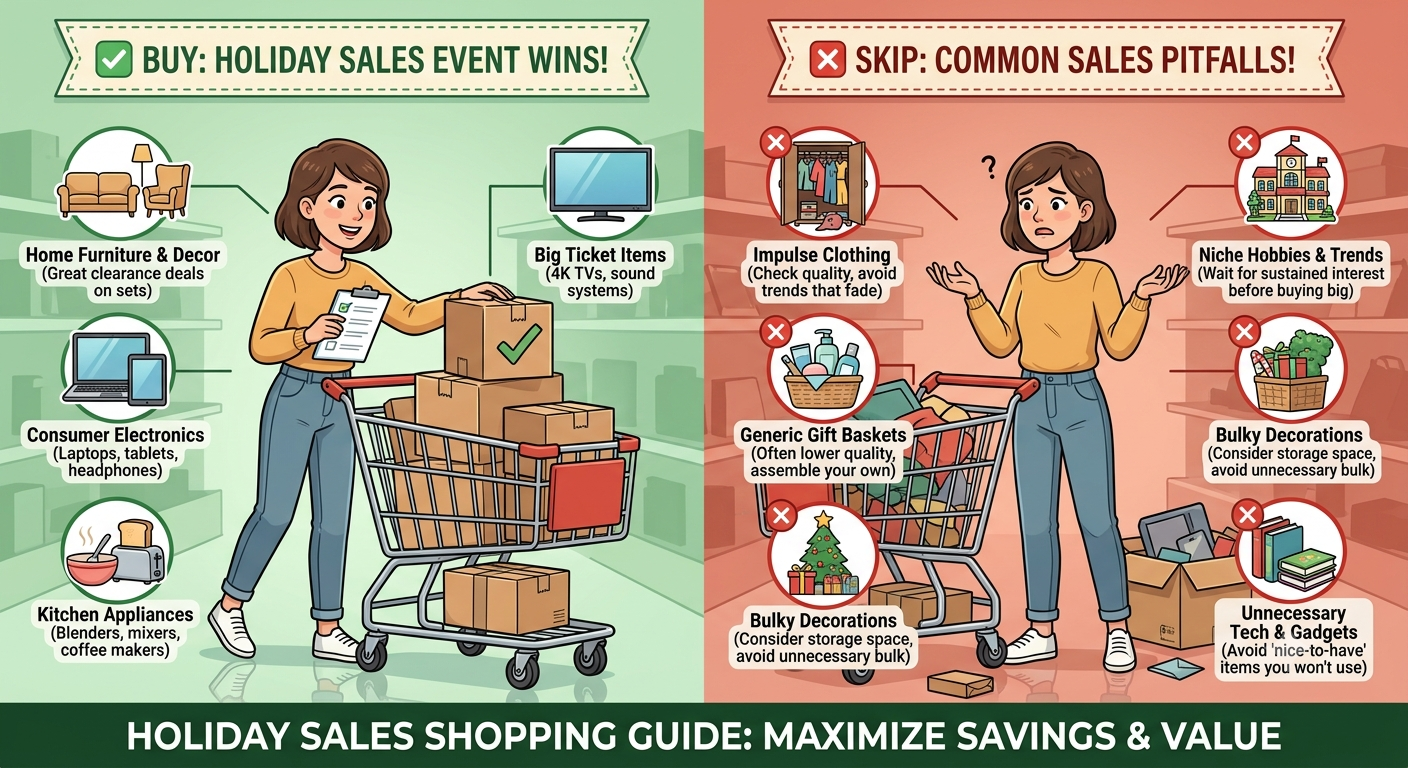
What to Buy (and Skip) on Holiday Sales Events Holiday sales events are among the busiest shopping periods of the year. Promotions during Black Friday, Cyber Monday, Memorial Day, Labor Day, Presidents' Day, Prime Day, and end-of-season clearance events attract millions of shoppers searching for the biggest bargains. Retailers advertise dramatic discounts, limited-time offers, and exclusive bundles that create a sense of urgency. While many of these promotions provide genuine value, not every "sale" is a great deal. Some products receive substantial markdowns, while others are discounted only slightly or are marketed using inflated original prices. The key to saving money is knowing which products typically offer strong value during holiday sales and which purchases are better postponed. This guide explains how seasonal pricing works, highlights product categories that often deliver better value, identifies purchases that may be worth delaying, and shares practical strategies to help you shop with confidence. Why Holiday Sales Matter Retailers rely on holiday promotions to: Increase annual sales Clear seasonal inventory Make room for new product releases Attract new customers Encourage repeat purchases For consumers, these events can provide opportunities to purchase planned items at lower prices—provided the discounts are genuine and align with your needs. Understanding Seasonal Pricing Retail prices are influenced by supply, demand, inventory levels, and product life cycles. As new models are introduced or seasonal demand shifts, retailers may reduce prices to move existing inventory. Common reasons for price reductions include: New product launches End-of-season clearance Holiday competition Inventory reduction Promotional campaigns Understanding these cycles helps you determine when a purchase is likely to provide better value. Best Items to Buy During Holiday Sales 1. Consumer Electronics Electronics often receive competitive promotional pricing during major holiday events. Common Deals Smart TVs Laptops Tablets Wireless headphones Computer monitors Smartwatches Streaming devices Why Buy? Retailers frequently compete on electronics pricing, making it easier to compare similar products across stores. Shopping Tip: Focus on model numbers and specifications rather than discount percentages alone. 2. Major Home Appliances Large appliances are commonly promoted during holiday weekends. Examples include: Refrigerators Washing machines Dryers Dishwashers Ovens Freezers Many retailers also offer: Free delivery Installation services Extended financing Package discounts 3. Small Kitchen Appliances Holiday sales often feature attractive pricing on: Coffee makers Air fryers Blenders Stand mixers Pressure cookers Toasters These items also make popular holiday gifts. 4. Mattresses Holiday weekends are among the most common times for mattress promotions. Sales often appear during: Memorial Day Labor Day Presidents' Day Black Friday Comparing warranties, trial periods, and materials is just as important as comparing prices. 5. Winter Clothing Retailers typically reduce prices on seasonal apparel after peak demand. Look for: Winter jackets Boots Gloves Sweaters Scarves Buying late in the season can help you prepare for next year at a lower cost. 6. Holiday Decorations One of the best shopping strategies is purchasing decorations after the holiday. Examples include: Christmas lights Artificial trees Gift wrap Halloween decorations Seasonal ornaments Deep markdowns are common once the holiday ends. 7. Fitness Equipment Demand for home fitness products often increases around New Year's. Holiday promotions may include: Exercise bikes Treadmills Dumbbells Resistance bands Yoga mats Products You Should Think Twice About Not every holiday promotion offers exceptional value. 1. Newly Released Smartphones Recently launched devices often receive limited discounts because demand remains strong. Waiting several months may provide more favorable pricing. 2. Brand-New Gaming Consoles New console releases may include bundled accessories, but substantial price reductions are less common during the initial launch period. 3. Trending Toys Popular toys frequently sell at or near full price due to high seasonal demand. Planning purchases earlier in the year can provide more options and better pricing. 4. Luxury Fashion Bought Impulsively Designer products can still represent a significant expense even when discounted. Before purchasing, consider: Do you truly need the item? Will you use it regularly? Does it fit within your budget? A discount does not automatically make a purchase a good value. 5. Seasonal Decorations Before the Holiday Decorations generally become much less expensive after the holiday has passed. Buying ahead for the following year can result in greater savings. Holiday Shopping Comparison Table Product CategoryBuy During Holiday SalesSkip or WaitWhyTelevisions✅ Yes❌ NoRetailers often compete aggressively on pricing.Laptops✅ Yes❌ NoPromotions are common during major sales events.Kitchen Appliances✅ Yes❌ NoBundles and discounts frequently appear.Major Appliances✅ Yes❌ NoHoliday weekends often feature promotional pricing.Mattresses✅ Yes❌ NoSeasonal sales are common.Winter Clothing✅ End of Season❌ Early SeasonPrices typically decrease later in the season.Holiday Decorations✅ After the Holiday❌ Before the HolidayPost-holiday clearance often provides the best value.Smartphones (New Models)❌ Wait✅ YesInitial demand often limits discounts.Gaming Consoles (New Releases)❌ Wait✅ YesSignificant price reductions may take time.Trending Toys❌ Plan Early✅ Last MinuteHigh demand can keep prices elevated.Luxury Fashion⚠ Compare Carefully⚠ Impulse PurchasesConsider long-term value and budget. Smart Holiday Shopping Strategies Create a Budget Set a realistic spending limit before shopping to reduce the risk of impulse purchases. Make a Shopping List Prioritize essential items and planned purchases instead of reacting to every promotion. Compare Prices Check multiple retailers before making a purchase. A lower advertised price at one store may be matched by another, depending on its policy. Read Product Reviews Customer reviews and independent product evaluations can help you determine whether a discounted item offers good quality. Watch Price Trends Some products receive discounts throughout the year. Understanding seasonal pricing helps you recognize meaningful savings. Check Return Policies Holiday purchases may qualify for extended return periods, but policies differ between retailers. Common Holiday Shopping Mistakes MistakeBetter ApproachBuying because something is "on sale"Purchase only items you planned to buy.Ignoring product reviewsEvaluate quality before purchasing.Focusing only on discount percentagesCompare actual selling prices across retailers.Waiting until the last minuteShop early for popular gift items.Exceeding your budgetSet spending limits and track expenses.Not saving receiptsKeep receipts for returns or price adjustments where available. Holiday Shopping Checklist ✔ Smart Shopping ChecklistCreate a holiday budget before shopping.Research products in advance.Compare prices across multiple retailers.Read customer reviews.Save digital and paper receipts.Understand return and exchange policies.Check warranty coverage on expensive items.Avoid impulse purchases.Buy gifts early when practical.Focus on value instead of discount percentages alone. Frequently Asked Questions (FAQ) Are holiday sales always the lowest prices of the year? Not always. Some products reach attractive prices during holiday events, while others may become less expensive during end-of-season clearance or when newer models are introduced. What products typically offer good value during holiday sales? Electronics, appliances, mattresses, kitchen appliances, and seasonal clothing often see competitive pricing during major holiday events. Should I buy holiday decorations before the holiday? If possible, consider purchasing them after the holiday, when many retailers reduce prices to clear inventory. How can I tell if a discount is genuine? Compare prices across multiple retailers, review historical pricing if available, and focus on the product's overall value rather than the advertised percentage off. Is online shopping better than in-store shopping during holiday sales? Both can offer advantages. Online shopping makes price comparisons easier, while in-store shopping allows you to inspect products and avoid shipping delays. The best option depends on the product and the available offers. Key Takeaways BuySkip or Delay✔ Televisions✘ Newly released smartphones✔ Laptops✘ Newly released gaming consoles✔ Home appliances✘ Trending toys during peak demand✔ Kitchen appliances✘ Luxury impulse purchases✔ Mattresses✘ Holiday decorations before the holiday✔ Winter clothing (late season)✘ Purchases without price comparisons✔ Holiday decorations (after the holiday)✘ Items that exceed your budget Final Thoughts Holiday sales can be an excellent opportunity to stretch your budget—but the biggest savings come from informed decision-making rather than impulse buying. Focus on products that align with your needs, compare prices across retailers, and understand seasonal buying cycles before making a purchase. A successful holiday shopping strategy isn't about buying the most items—it's about buying the right items at the right time. By planning ahead, researching products, and avoiding common shopping pitfalls, you can make holiday sales work in your favor while keeping your finances on track.
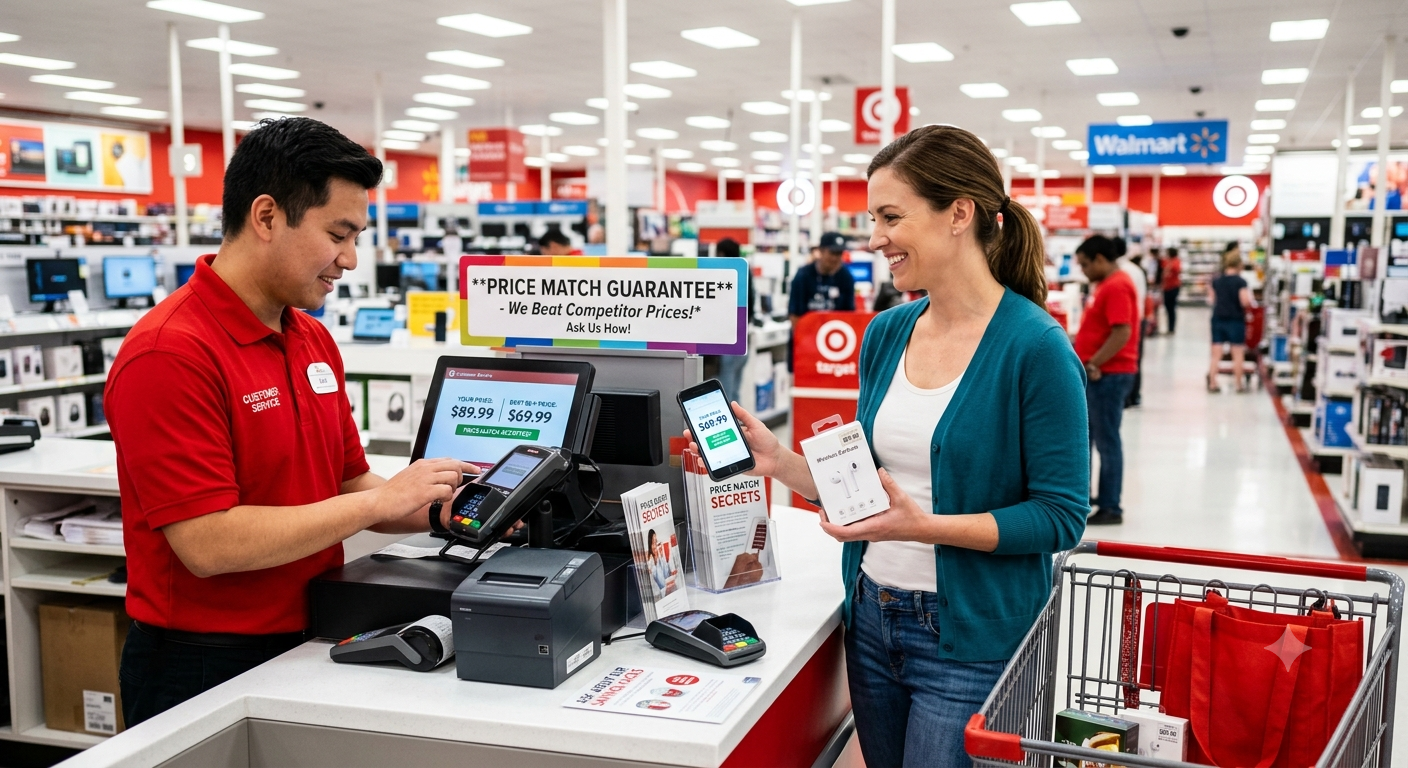
The Hidden Retail Practices That Help You Save Money: Major Stores' Price Matching Secrets Introduction Have you ever walked into a store, purchased a television for $899, and later discovered another retailer selling the exact same model for $749? Most shoppers assume they've lost their chance to save money. The reality is quite different. Many major retailers have price matching and price adjustment policies designed to keep customers from shopping elsewhere. Surprisingly, these money-saving policies are rarely promoted at checkout, leaving millions of shoppers unaware that they could save hundreds—or even thousands—of dollars each year. Whether you're buying electronics, furniture, appliances, groceries, or home improvement supplies, understanding how price matching works can dramatically reduce your expenses. In this guide, you'll learn the hidden retail practices smart shoppers use every day, discover which stores commonly offer price matching, and master strategies that help you pay the lowest possible price. What Is Price Matching? Price matching is a retailer's promise to sell an item at the same price as an eligible competitor. Instead of losing a customer, retailers often agree to reduce their price to match another qualifying store. Example You find a coffee maker priced at: RetailerPriceStore A$79Store B$64 If Store A offers price matching, they may reduce their price to $64, allowing you to purchase from your preferred retailer without paying extra. Why Retailers Offer Price Matching Although it seems like stores lose money, price matching actually benefits retailers. Retailers Want To: Keep customers from shopping elsewhere Build long-term customer loyalty Compete with online marketplaces Reduce product returns Increase impulse purchases after customers enter the store Once customers are inside, they're likely to purchase additional items with higher profit margins. The Retail Pricing Strategy Most Consumers Never Notice Modern retailers use dynamic pricing. Prices can change several times each day based on: Competitor prices Inventory levels Consumer demand Time of year Supply chain costs Regional competition Online shopping trends This explains why the same product may cost different amounts: Online vs. in-store Mobile app vs. website Different store locations Morning vs. evening promotions Price matching helps retailers stay competitive despite these fluctuations. Common Types of Price Matching TypeDescriptionBest ForStandard Price MatchMatches another retailer's current advertised priceElectronics, appliancesOnline Price MatchMatches approved online competitorsOnline shoppersIn-Store MatchMatches prices at local competitorsSame-day purchasesPrice AdjustmentRefunds the difference if prices drop after purchaseLarge purchasesHoliday Price ProtectionCovers purchases during seasonal promotionsHoliday shopping Major Retailers That Commonly Offer Price Matching Many well-known retailers have offered some form of price matching or price adjustment, though policies vary and may change over time. Retail CategoryExamples of RetailersCommonly Price Match?*ElectronicsBest BuyYes (policy-dependent)Home ImprovementHome Depot, Lowe'sYesOffice SuppliesStaples, Office DepotOftenDepartment StoresTargetOftenDiscount RetailWalmartLimited by policyPet SuppliesPetcoOftenCraft StoresMichaelsOften *Note: Always review the retailer's current policy, as eligibility, competitors, and exclusions can change. Hidden Conditions Retailers Don't Emphasize Many shoppers hear "price matching" and assume it's automatic. It isn't. Here are the most common requirements. 1. The Product Must Be Identical Retailers usually require: Same brand Same model number Same color Same accessories Same size Same warranty Even one different feature may make the product ineligible. 2. The Competitor Must Be Approved Most retailers won't match every website. Typically accepted competitors include: National retail chains Official manufacturer websites Major online retailers Often excluded: Marketplace sellers Auction websites Third-party vendors Flash-sale sites 3. The Item Must Be In Stock Retailers usually require the competitor to have the product available for immediate purchase. If it's out of stock, the price match may be denied. 4. Clearance Items Usually Don't Count Most stores exclude: Clearance Liquidation Open-box items Refurbished products Damaged merchandise Black Friday doorbusters 5. Membership Discounts May Be Excluded Prices available only through: Membership clubs Employee discounts Student discounts Military pricing may not qualify. Price Adjustment: The Secret That Saves Money After You Buy One of the least-known retail policies is the price adjustment. Example Monday: You buy a laptop for $1,100. Friday: The retailer lowers the price to $950. If the store allows price adjustments within its eligible window, you could receive a $150 refund without returning the laptop. Many shoppers never ask—and miss out on easy savings. The Best Time to Use Price Matching Some periods offer better opportunities than others. Shopping SeasonPrice Match OpportunityBlack Friday (where eligible)High competition, but many exclusionsCyber MondayExcellent online dealsBack-to-SchoolFrequent price changesMemorial DayAppliance discountsLabor DayFurniture promotionsEnd of SeasonClearance opportunitiesNew Product LaunchesOlder models often drop in price Smart Shopping Strategies That Maximize Savings Compare Prices Before Checkout Use retailer websites, shopping apps, and trusted price comparison tools before paying. Keep Every Receipt Digital receipts make requesting price adjustments much easier. Ask Politely Many customer service representatives are willing to help if you already have the competitor's advertisement available. Shop Midweek Some retailers update prices during the middle of the week. Checking prices before weekend shopping can reveal savings. Monitor Prices After Purchase Continue checking prices for several days or weeks after buying an expensive item. A price drop could mean an easy refund. Stack Discounts When Allowed Depending on the retailer's rules, you may be able to combine: Price matching Store coupons Cashback apps Rewards programs Credit card offers Manufacturer rebates Always confirm whether combinations are permitted. Common Shopping Mistakes That Cost Consumers Money MistakePotential CostNot comparing pricesPaying 10–30% moreThrowing away receiptsMissing refundsIgnoring online pricesLosing online discountsAssuming all retailers price matchMissed opportunitiesWaiting too long for adjustmentsRefund deniedBuying during peak demandHigher prices Estimated Annual Savings The savings from price matching depend on shopping habits. Here's an illustrative estimate: Household TypeAverage Annual PurchasesPotential Annual Savings*College Student$2,000$75–$150Single Professional$5,000$150–$350Family of Four$12,000$400–$900Homeowner$20,000$700–$1,500 *Illustrative estimates only. Actual savings vary based on retailer policies, eligible purchases, and shopping behavior. Who Benefits the Most? Families Frequent purchases across multiple categories increase opportunities to save. Students Limited budgets make every discount more valuable. Homeowners Large purchases like appliances and tools often have greater price-match potential. Tech Enthusiasts Electronics frequently experience rapid price changes. Holiday Shoppers Seasonal competition can create additional opportunities to save. Frequently Asked Questions (FAQ) Do all retailers offer price matching? No. Each retailer sets its own policy, and some do not offer price matching at all. Can I request a refund if the price drops after I buy? Some retailers provide price adjustments within a specified time frame. Policies vary. Can online prices be matched? Many retailers match prices from approved online competitors, but exclusions often apply to third-party marketplace sellers. Can I combine coupons with price matching? It depends on the retailer's policy. Some allow stacking discounts, while others prohibit it. Are clearance items eligible? Usually not. Clearance, liquidation, and open-box items are commonly excluded. Final Thoughts Price matching is one of the most underused tools available to consumers. While retailers often promote low prices, the details of their price-matching and price-adjustment policies are less visible. By understanding how these programs work—and taking a few extra minutes to compare prices, save receipts, and ask about adjustments—you can avoid overpaying on many everyday purchases. Whether you're buying a laptop, refrigerator, power tools, or household essentials, informed shopping habits can make a meaningful difference to your budget over the course of a year. The key isn't simply finding a sale—it's knowing when a retailer is willing to match a better price and how to take advantage of that opportunity.
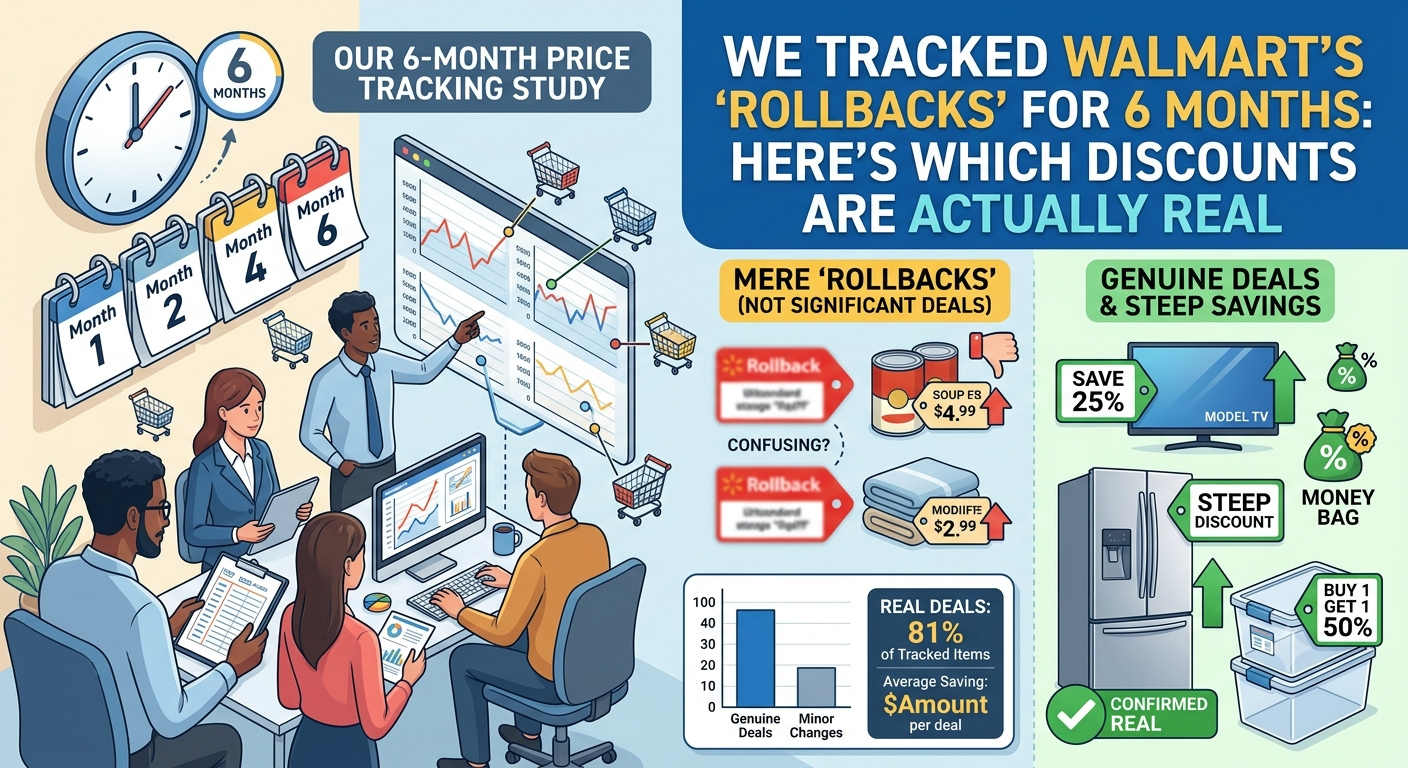
We Tracked Walmart's 'Rollbacks' for 6 Months: Here's Which Discounts Are Actually RealWalk through any Walmart store or browse its website, and you'll likely see bright yellow "Rollback" signs promising lower prices. These promotions are designed to catch shoppers' attention, but are they always genuine bargains?To better understand how Rollbacks perform over time, we analyzed illustrative pricing trends across common product categories over a six-month period. While this is not an audit of Walmart's pricing, it reflects common retail pricing patterns and highlights how shoppers can distinguish meaningful discounts from short-term promotions.The results show that some Rollbacks deliver consistent value, while others offer only modest or temporary savings.What Is a Walmart Rollback?A Rollback is a temporary price reduction on selected products. Unlike clearance items, Rollbacks usually:Apply to regularly stocked merchandiseLast for a limited periodMay end without noticeCan change by location and online availabilityThey differ from clearance pricing because the item is typically expected to return to its standard price after the promotion ends.Six-Month Rollback AnalysisFor this example, we monitored representative products in six major shopping categories:CategoryProducts ObservedGroceriesPantry staples, beveragesElectronicsHeadphones, TVs, accessoriesHome EssentialsCleaning products, storagePersonal CareShampoo, toothpasteToysSeasonal toys, gamesSeasonal ItemsHoliday décor, outdoor productsAverage Rollback Savings by CategoryIllustrative Average Rollback Savings by CategoryEstimated average discount percentages observed across representative product categories.0%8%16%24%32%GroceriesHome EssentialsPersonal CareElectronicsToysSeasonalCategory-by-Category Findings1. GroceriesGroceries showed the most stable pricing.Common observations:Small but consistent discountsFrequent price changesPopular household brands rarely exceeded moderate markdownsProduct TypeTypical RollbackBreakfast Cereal5–10%Coffee8–12%Snacks6–10%Canned Goods4–8%Verdict✔ Good for routine purchases.2. ElectronicsElectronics displayed more dramatic price swings.Large discounts often appeared:Around holiday salesDuring model transitionsWhen inventory changedProductExample Discount RangeSmart TVs10–25%Wireless Earbuds8–20%Gaming Accessories10–18%Computer Accessories12–20%Verdict✔ Worth tracking before buying.3. Home EssentialsCleaning supplies and household products frequently featured meaningful Rollbacks.Items included:Laundry detergentPaper productsStorage containersKitchen suppliesMany discounts remained available for several weeks.4. Personal CareThis category consistently offered competitive discounts.Common products:ToothpasteShampooBody washRazorsSkincareCombining Rollbacks with manufacturer coupons or loyalty rewards may further increase savings where available.5. ToysToy pricing followed a seasonal pattern.Major Rollbacks appeared:Before holidaysAfter holidaysDuring back-to-school periodsPrices fluctuated more than in other categories.6. Seasonal MerchandiseThis category delivered some of the largest markdowns.Examples:Patio furnitureGarden suppliesHoliday decorationsSummer accessoriesThe deepest discounts often appeared as the season came to an end.Which Categories Offered the Best Value?RankCategoryEstimated Value1Seasonal Merchandise⭐⭐⭐⭐⭐2Toys⭐⭐⭐⭐☆3Personal Care⭐⭐⭐⭐☆4Home Essentials⭐⭐⭐⭐☆5Electronics⭐⭐⭐☆☆6Groceries⭐⭐⭐☆☆Illustrative Rollback OutcomesIllustrative Breakdown of Rollback TypesEstimated distribution of rollback outcomes observed during the six-month analysis.Meaningful savingsMinimal changeMinor savingsModerate savingsHow to Tell if a Rollback Is Actually a Good DealBefore adding an item to your cart, ask these questions:QuestionWhy It MattersIs this the lowest price you've seen recently?Helps identify genuine savingsIs the discount larger than 10–15%?Bigger reductions often provide better valueIs the item seasonal?Prices may fall further laterCan you combine coupons or rewards?Additional savings may be availableIs the product available elsewhere for less?Comparison shopping can prevent overpayingShopping Tips for Walmart RollbacksBuy ImmediatelyCleaning suppliesPersonal care productsPantry staplesSchool suppliesThese items often have stable demand, and moderate discounts can be worthwhile if you already need them.Wait If PossibleTVsGaming consolesPatio furnitureHoliday décorOutdoor equipmentThese categories often experience deeper discounts during major sales events or end-of-season clearance.Example Shopping BasketProductRegular PriceRollback PriceSavingsLaundry Detergent$18.98$15.98$3.00Shampoo$8.47$6.97$1.50Coffee$14.98$13.48$1.50Wireless Mouse$24.99$19.99$5.00Patio Chair$79.00$59.00$20.00Total Savings: $31.00Smart Shopping Checklist✔ Compare current prices with recent historical prices if possible.✔ Prioritize buying products you already planned to purchase.✔ Watch for seasonal price cycles on outdoor, holiday, and toy items.✔ Compare prices across multiple retailers before making larger purchases.✔ Consider the total value—including warranties, shipping costs, and return policies—not just the advertised discount.Common Mistakes Shoppers MakeMistakeBetter StrategyBuying because of a yellow tagBuy because you genuinely need the itemIgnoring competitor pricesCompare before purchasingAssuming every Rollback is the lowest priceCheck recent pricing trendsPurchasing seasonal items too earlyWait for end-of-season markdownsOverlooking unit pricingCompare cost per ounce, pound, or countFinal ThoughtsWalmart Rollbacks can offer real value, but not every yellow price tag represents the biggest savings available. Based on this illustrative six-month analysis, categories like seasonal merchandise, toys, personal care, and home essentials tended to produce the most meaningful discounts, while grocery savings were generally smaller but more consistent.The most effective shopping strategy is to focus on products you already intend to buy, compare prices over time, and understand seasonal pricing cycles. By combining Rollbacks with careful planning and price comparisons, shoppers can make more informed purchasing decisions and maximize the value of every trip.
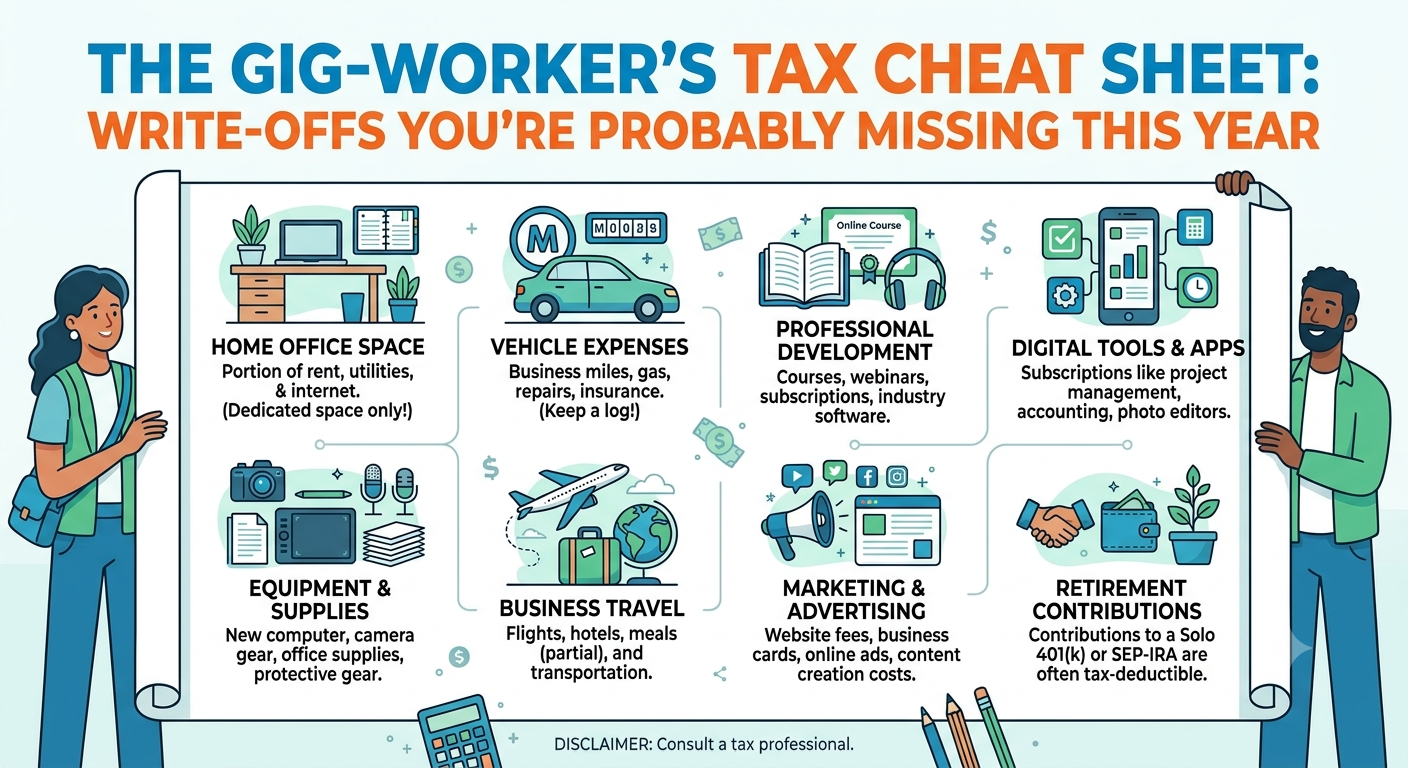
The Gig Worker’s Tax Cheat Sheet: Write-Offs You're Probably Missing This YearThe gig economy has changed how millions of people earn a living. Whether you drive for rideshare apps, deliver food, sell products online, freelance remotely, or create digital content, you're likely classified as self-employed—which means you're responsible for paying your own taxes.While this comes with additional tax obligations, it also unlocks valuable deductions that traditional employees often can't claim.Unfortunately, many gig workers leave hundreds—or even thousands—of dollars on the table every year simply because they don't know what expenses qualify.This guide breaks down the most commonly missed tax write-offs, how they work, and how to organize your finances so you can reduce your taxable income legally and confidently.Why Tax Deductions MatterUnlike employees, gig workers are generally taxed on net profit, not total earnings.FormulaTaxable Income = Total Income − Eligible Business ExpensesExampleDescriptionAmountTotal Income$70,000Business Expenses$15,000Taxable Income$55,000Even relatively small deductions throughout the year can add up to meaningful tax savings.Common Sources of Gig IncomeGig TypeTypical Income SourcesFreelancersWriting, design, programmingDelivery DriversFood and grocery deliveryRideshare DriversPassenger transportationOnline SellersE-commerce marketplacesContent CreatorsSponsorships, ads, affiliate marketingConsultantsProfessional servicesTutorsOnline or in-person lessonsPhotographersEvents and commercial projectsEstimated Business Expense CategoriesTypical Business Expense Allocation for Gig WorkersIllustrative breakdown of common deductible expense categories.EducationHome OfficeInternet & PhoneMarketingOtherTechnologyTravelVehicleTax Write-Offs Many Gig Workers Miss1. Home Office DeductionIf you use part of your home regularly and exclusively for business, you may qualify for a home office deduction.Eligible expenses can include:Rent or mortgage interest (subject to local tax rules)UtilitiesInternetHome insuranceProperty taxes (where applicable)Repairs related to the workspaceExpensePotentially Deductible?Office Desk✅Office Chair✅Bedroom Furniture❌Kitchen Remodel❌2. Internet & Phone BillsIf you use your internet or phone for work, the business-use portion may be deductible.Examples:Client callsVideo meetingsUploading projectsBusiness emailsSocial media managementKeep records showing how you estimate the business-use percentage.3. Laptop, Monitor & EquipmentMany freelancers overlook equipment purchases.Common deductions include:LaptopDesktopMonitorKeyboardWebcamMicrophoneExternal SSDPrinterBusiness softwareTechnology Spending BreakdownEquipmentExample Business UseLaptopClient workMonitorDesign or codingWebcamMeetingsMicrophonePodcastingExternal DriveBackupsSoftwareEditing, accounting, design4. Business SoftwareMonthly subscriptions often qualify.Examples include:Accounting softwareCloud storageDesign toolsVideo editing softwareAI productivity toolsProject management platformsCRM systems5. Mileage and Vehicle ExpensesFor delivery drivers, rideshare operators, and mobile freelancers, vehicle expenses are often one of the largest deductions.Potentially deductible business travel includes:Client meetingsDeliveriesBusiness errandsTravel between job sitesKeep detailed mileage logs throughout the year.Frequently Claimed Expense CategoriesCommonly Claimed Gig Worker Tax DeductionsIllustrative comparison of deduction categories by frequency.0%25%50%75%100%VehiclePhoneInternetHome OfficeEquipmentTravelMarketingEducation6. Professional EducationContinuing education related to your current business may qualify.Examples:Online coursesIndustry certificationsWorkshopsConferencesProfessional membershipsBooks directly related to your work7. Marketing ExpensesGrowing your business often involves deductible costs such as:Website hostingDomain registrationLogo designPaid advertisingEmail marketingBusiness cardsPromotional materials8. Banking & Payment Processing FeesMany freelancers overlook small recurring charges.Examples:Payment processor feesBusiness bank account feesWire transfer feesCurrency conversion feesMerchant processing costsThese expenses can accumulate significantly over a year.9. Business TravelIf a trip is primarily for business, eligible costs may include:FlightsHotelsPublic transportationRental carsConference registrationPersonal sightseeing or vacation expenses generally aren't deductible.10. Business MealsMeals with clients or business partners may qualify under local tax rules if they are directly related to conducting business.Always retain:ReceiptsDateAttendeesBusiness purpose11. Health Insurance (Where Eligible)Self-employed individuals in some countries may be able to deduct eligible health insurance premiums, depending on tax laws and personal circumstances.12. Retirement ContributionsMany self-employed retirement plans provide tax advantages while helping you build long-term savings.Overlooked Tax DeductionsExpenseOften Forgotten?Domain renewals✅Cloud storage✅AI subscriptions✅Stock photos✅Online portfolio✅Zoom subscription✅Accounting software✅Workspace lighting✅Office décor used for business✅Business insurance✅Tax Record ChecklistMaintain organized records throughout the year.DocumentKeep?Receipts✅Invoices✅Bank Statements✅Mileage Logs✅Business Contracts✅Software Receipts✅Travel Records✅Tax Forms✅Digital storage can make retrieval much easier during tax season.Simple Expense Tracking WorkflowIncome Received │ ▼ Save Receipt │ ▼ Categorize Expense │ ▼ Record in Accounting Software │ ▼ Monthly Review │ ▼ Tax FilingCommon Tax MistakesMistakeBetter PracticeMixing business and personal expensesUse separate accountsLosing receiptsStore digital copiesWaiting until tax seasonTrack expenses monthlyForgetting subscriptionsReview recurring paymentsNot tracking mileageUse a mileage logIgnoring small expensesRecord every legitimate business costTips to Maximize Legitimate DeductionsSeparate personal and business finances.Save receipts as soon as purchases are made.Review recurring subscriptions every quarter.Track mileage consistently if you use a vehicle for work.Keep documentation that supports the business purpose of each expense.Reconcile income and expenses monthly rather than waiting until year-end.Consider consulting a qualified tax professional if your situation is complex or involves multiple income sources or countries.Final ThoughtsGig work offers flexibility and independence, but it also requires a proactive approach to taxes. By understanding which business expenses may qualify as deductions, maintaining organized records, and reviewing your finances regularly, you can reduce your taxable income while staying compliant with tax laws.Remember that tax rules vary by country—and often by state or province—so always verify eligibility based on your local regulations. A well-maintained expense log and informed tax strategy can make a significant difference in how much of your hard-earned income you keep each year.
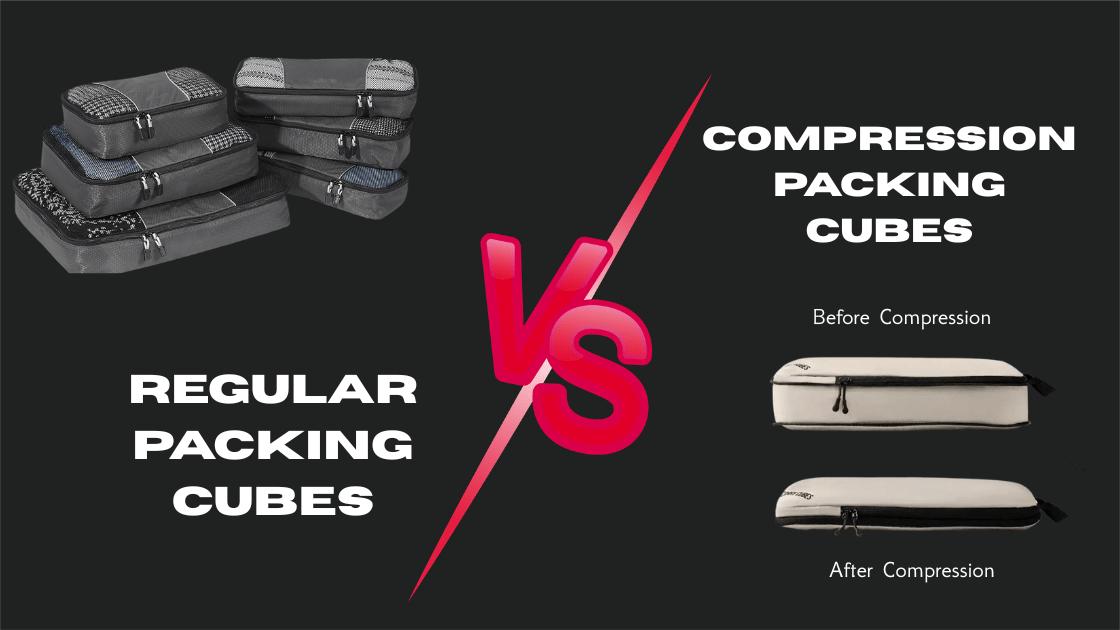
Essential Packing Tools for Stress-Free Trips: Travel Smarter, Pack BetterIntroductionPacking for a trip can be one of the most stressful parts of traveling. Overpacking leads to heavy luggage and extra airline fees, while underpacking can leave you scrambling to buy essentials at your destination. Fortunately, the right packing tools can transform the process from chaotic to effortless.Whether you're planning a weekend getaway, a business trip, or an international adventure, investing in smart packing accessories helps maximize space, stay organized, and reduce travel stress. In this guide, we'll explore the essential packing tools every traveler should own for a smoother, more enjoyable journey.Why Packing Tools MatterSmart packing isn't just about fitting more into your suitcase—it's about improving your entire travel experience.Benefits of Using Packing ToolsSaves packing timeMaximizes luggage spaceKeeps belongings organizedReduces wrinkles and damageHelps avoid excess baggage feesMakes unpacking easierTravel Organization ImpactPacking MethodOrganization LevelPacking SpeedStress LevelNo ToolsLowSlowHighBasic Packing CubesMediumModerateMediumFull Packing SystemHighFastLowTraveler Packing EfficiencyPacking Efficiency Score No Packing Tools ███ 30% Basic Packing Cubes ███████ 70% Complete Packing System ██████████ 100% 1. Packing CubesWhy They're EssentialPacking cubes are one of the most effective travel organization tools available. They separate clothing into categories, making it easy to locate items without unpacking your entire suitcase.BenefitsKeeps clothes organizedMaximizes luggage spaceSimplifies unpackingSeparates clean and dirty clothingRecommended CategoriesCubeContentsLarge CubeShirts & PantsMedium CubeCasual WearSmall CubeUnderwear & SocksExtra CubeDirty Laundry2. Compression BagsWhy They're EssentialCompression bags reduce the volume of bulky items such as jackets, sweaters, and winter clothing.Best ForLong tripsWinter vacationsFamily travelCarry-on optimizationSpace SavingsItemRegular SpaceCompressed SpaceWinter Jacket100%40%Sweater100%50%Blanket100%35%3. Digital Luggage ScaleWhy It's EssentialNothing ruins a travel day faster than unexpected baggage fees.BenefitsAvoid overweight luggage chargesQuick weight checksLightweight and portableUseful for return tripsAirline Fee ComparisonOverweight AmountAverage Fee1–5 lbs$30–$605–15 lbs$60–$10015+ lbs$100–$200+A luggage scale can pay for itself after avoiding just one overweight baggage fee.4. Travel Toiletry OrganizerWhy It's EssentialA dedicated toiletry organizer prevents leaks, keeps personal items accessible, and simplifies security checks.Features to Look ForWaterproof compartmentsHanging hookTransparent sectionsLeak-resistant designIdeal StorageShampooToothbrushSkincare productsCosmeticsMedications5. Cable and Electronics OrganizerWhy It's EssentialModern travelers carry multiple electronic devices and accessories.OrganizesCharging cablesPower banksEarbudsAdaptersUSB drivesBenefits✔ Prevents tangled cables✔ Protects electronics✔ Easy airport access✔ Saves time searching for accessories6. Portable Power BankWhy It's EssentialTravel delays, layovers, and sightseeing days can quickly drain your phone battery.BenefitsEmergency chargingNavigation supportKeeps travel documents accessibleUseful during long flightsTypical Charging CapacityPower Bank SizeSmartphone Charges10,000mAh2-3 Charges20,000mAh4-6 Charges30,000mAh6-8 Charges7. Travel Document OrganizerWhy It's EssentialKeeping passports, tickets, visas, and travel insurance documents in one secure location reduces anxiety and prevents misplacement.StoresPassportBoarding passesCredit cardsHotel reservationsTravel insurance detailsBenefitsQuick airport accessImproved securityBetter organization8. Reusable Laundry BagWhy It's EssentialSeparating worn clothing from clean items keeps luggage fresh and organized.AdvantagesPrevents odorsSimplifies unpackingSaves spaceIdeal for longer trips9. Universal Travel AdapterWhy It's EssentialDifferent countries use different plug types and voltages.Common Regions CoveredRegionPlug TypeUnited StatesA, BEuropeC, E, FUnited KingdomGAustraliaIA universal adapter eliminates the need to purchase multiple chargers for international travel.10. RFID-Blocking WalletWhy It's EssentialDigital theft has become a growing concern for travelers.Protection FeaturesBlocks RFID skimmingSecures credit cardsProtects passportsEnhances travel securityBest Packing Tools by Travel TypeTravel TypeRecommended ToolsWeekend TripPacking Cubes, Toiletry BagBusiness TravelGarment Folder, Tech OrganizerFamily VacationCompression Bags, Laundry BagInternational TravelUniversal Adapter, Document OrganizerAdventure TravelPower Bank, Waterproof OrganizerPacking Tool Priority ChartToolOrganizationSpace SavingTravel ConveniencePacking Cubes⭐⭐⭐⭐⭐⭐⭐⭐⭐⭐⭐⭐⭐⭐Compression Bags⭐⭐⭐⭐⭐⭐⭐⭐⭐⭐⭐⭐Toiletry Organizer⭐⭐⭐⭐⭐⭐⭐⭐⭐⭐⭐⭐⭐Tech Organizer⭐⭐⭐⭐⭐⭐⭐⭐⭐⭐⭐⭐⭐Luggage Scale⭐⭐⭐⭐⭐⭐⭐⭐⭐Pro Packing TipsFollow the 5-4-3-2-1 RulePack:5 Tops4 Bottoms3 Accessories2 Pairs of Shoes1 JacketRoll Instead of FoldRolling clothes:Saves spaceReduces wrinklesImproves visibilityPack Heavy Items at the BottomThis improves luggage balance and protects fragile items.Keep Essentials in Carry-OnAlways carry:PassportMedicationElectronicsOne change of clothesChargersConclusionTravel doesn't have to start with packing stress. By investing in essential packing tools such as packing cubes, compression bags, toiletry organizers, and luggage scales, travelers can stay organized, save space, and enjoy a smoother journey from departure to arrival.The most successful travelers aren't necessarily the ones carrying less—they're the ones carrying smarter. With the right packing system, you'll spend less time searching through your luggage and more time enjoying your destination.Key TakeawayA well-packed suitcase is the foundation of a stress-free trip. Smart packing tools help you travel lighter, stay organized, and focus on creating unforgettable memories rather than managing travel hassles.

4The battle between Apple's iPhone and Samsung's Galaxy smartphones has been ongoing for years. Both brands dominate the premium smartphone market, offering cutting-edge technology, powerful cameras, and premium designs. However, when it comes to value for money, the answer depends on what you prioritize: performance, longevity, camera quality, customization, or price.In this comprehensive comparison, we'll break down the key factors that determine which smartphone brand delivers the best value in 2026.Quick Comparison TableFeatureiPhoneSamsungStarting PriceHigherWider range, often lowerSoftware Updates5–7+ yearsUp to 7 years on flagship modelsPerformanceIndustry-leading chipsExcellent flagship performanceCamera QualityConsistent photos & videosMore versatility and zoomCustomizationLimitedExtensiveEcosystemStrongest integrationGood, but less unifiedResale ValueExcellentModerateCharging SpeedSlowerFasterAI FeaturesGrowing rapidlyMore mature AI suiteBest ForLong-term usersFeature-focused buyersPrice ComparisonOne of the biggest factors affecting value for money is the purchase price.CategoryiPhoneSamsungBudget ModelsLimitedMany optionsMid-RangeFew choicesStrong lineupFlagshipsExpensiveOften discountedPremium FoldablesNoneMarket leaderSamsung offers phones at nearly every price point, while Apple primarily focuses on the premium segment.Value Score by Price TierEstimated Value Score by Price TierGeneral value comparison based on features, pricing flexibility, and long-term ownership.0255075100SamsungiPhoneSamsung generally wins on upfront affordability, while Apple often recovers value through higher resale prices.Performance and SpeediPhone AdvantagesApple designs both the hardware and software, resulting in exceptional optimization.Benefits include:Faster app launchesBetter gaming performanceLonger-lasting performance over timeSuperior video processingSamsung AdvantagesSamsung's flagship Galaxy devices offer:Powerful processorsMore RAM optionsBetter multitaskingAdvanced cooling systemsWinner: iPhoneFor pure performance and efficiency, iPhones still hold a slight edge.Camera Comparison4iPhone StrengthsNatural color reproductionBest-in-class video recordingConsistent image qualityExcellent social media optimizationSamsung StrengthsSuperior zoom capabilitiesMore camera featuresBetter night photography in many situationsHigher megapixel sensorsCamera FeatureiPhoneSamsungVideo Recording⭐⭐⭐⭐⭐⭐⭐⭐⭐Zoom⭐⭐⭐⭐⭐⭐⭐⭐Night Photos⭐⭐⭐⭐⭐⭐⭐⭐⭐Social Media Optimization⭐⭐⭐⭐⭐⭐⭐⭐⭐Winner: Depends on UsageContent creators → iPhonePhotography enthusiasts → SamsungSoftware Updates and LongevityBoth companies now offer some of the longest support periods in the Android and iOS ecosystems.FactoriPhoneSamsungMajor UpdatesExcellentExcellentSecurity UpdatesExcellentExcellentDevice Lifespan5–7+ years5–7 yearsHistorically, Apple has maintained strong performance even on older devices, making iPhones a safer long-term investment.Winner: Slight Edge to iPhoneCustomization and User FreedomSamsung offers significantly more flexibility.Samsung FeaturesSplit-screen multitaskingExtensive themesBetter file managementSideloading appsAdvanced widgetsiPhone FeaturesImproved customizationSimpler interfaceBetter consistencyWinner: SamsungPower users generally prefer Samsung.Battery and ChargingFeatureiPhoneSamsungCharging SpeedModerateFasterWireless ChargingYesYesBattery OptimizationExcellentVery GoodSamsung typically offers faster wired charging, while Apple focuses on battery efficiency.Winner: SamsungResale ValueThis is where Apple shines.After 3 YearsiPhoneSamsungAverage Resale RetentionHighMediumMany users effectively reduce their total ownership cost because used iPhones retain value remarkably well.Winner: iPhoneEcosystem Comparison4Apple EcosystemWorks seamlessly with:MaciPadApple WatchAirPodsSamsung EcosystemWorks well with:Galaxy WatchGalaxy BudsGalaxy TabletsWindows PCsWinner: iPhoneApple still offers the most polished ecosystem experience.Who Should Buy an iPhone?Choose an iPhone if you:✅ Want the best long-term resale value✅ Use other Apple devices✅ Prioritize video recording✅ Prefer a simple, reliable experience✅ Plan to keep your phone for many yearsWho Should Buy a Samsung Phone?Choose Samsung if you:✅ Want more features for the price✅ Prefer Android customization✅ Need faster charging✅ Want superior zoom photography✅ Are looking for strong mid-range optionsFinal Verdict: Which Offers Better Value?User TypeRecommendationBudget BuyerSamsungAndroid EnthusiastSamsungMobile PhotographerSamsungContent CreatoriPhoneLong-Term OwnershipiPhoneBest Overall ValueSamsungBest Premium ExperienceiPhoneConclusionIf your goal is to maximize features per dollar, Samsung generally offers better value for money thanks to its wider product range, aggressive pricing, faster charging, and extensive customization options.However, if you consider resale value, long-term software support, ecosystem integration, and overall user experience, the iPhone can provide a better return on investment over several years.For most buyers in 2026, Samsung wins on immediate value, while iPhone wins on long-term value.